Quick answer: For a first trip to Vietnam, plan 7–9 nights: Hanoi and a Halong Bay cruise in the north, Da Nang and Hoi An in the centre, and Ho Chi Minh City with the Mekong Delta in the south. Indian passport holders can apply for an e-visa online, and there are direct flights from Delhi and Mumbai.
You’ve probably seen it in the background of countless war movies, but nothing can prepare you for the epic beauty of traveling Vietnam.
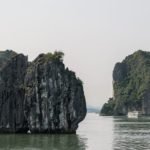
From the natural beauty of Sam Mountain and Halong Bay to the man-made artistry of the sacred temples and pagodas to the rice terraces and beaches, Vietnam has a lot to offer travelers.
Things to See and Do in Vietnam
1. Crawl through the Cu Chi Tunnels
Crawl through the extensive network of nearly 500 km of tunnels utilized by the Viet Cong in the war with the USA in the 1960s. Tours involve a description of the tunnels, after which tourists are allowed to crawl about the maze and fire AK47s at shooting targets. It’s a sobering experience and not one meant for anyone claustrophobic. However, if you want a better understand the terror of the Vietnam War, this is a must-visit. Admission is around 100,000 VND (5 USD) per person.
2. Relax or find adventure in Dalat
Dalat is nestled in the hills of the Central Highlands and is popular with tourists who want to relax in the mountain air, so people flock here for serenity. Others go to Dalat to participate in a host of adventure sports that happen within a naturally beautiful backdrop. The hills around Dalat are filled with traditional tribal villages, which you can tour, but there is plenty to do within the city itself too. Visit the imaginatively titled palaces: Palace I, Palace II and Palace III.
3. Visit Cuc Phuong National Park
About 120km southwest of Hanoi lies Vietnam’s first National Park, Cuc Phuong. Covering 222 sq km, this place is home to over 2,000 species of trees and some truly rare wildlife including the Clouded Leopard, Delacour’s Langur and Owston’s Civet. It was my favorite park in all of Vietnam and the only place I didn’t find hordes of tourists. The entrance fee is 40,000 VND (2 USD).
4. Explore Ho Chi Minh City
Also known as Saigon, Ho Chi Minh City is Vietnam’s largest city and is definitely worth exploring. Like most cities in Vietnam, you’ll be met with the roar of motorbikes speeding through colonial streets. Ben Thanh market is a must-see for amazing food and there is a great buzz of activity within the place. If flying into the SGN airport, it’s worth spending a day or two exploring the city. I recommend spending the night at The Common Room Project for a great hostel experience.
5. Admire the pagodas
Vietnam’s most distinctive architecture can be been in the pagodas, which can be found all over the country. They are known for their beautifully intricate carvings. Pagodas are used as shrines and temples and are treasured by the Vietnamese people.
6. Get active in Mui Nes
Despite being a fishing village, Mui Ne has got a significant tourism scene due to its popularity as a wind- and kite-surfing destination. The rolling sand dunes nearby are the main draw and worth checking out!
7. See My Son
My Son is a set of Hindu ruins in Vietnam which date back to the Cham Empire. The Champas ruled over Central Vietnam from the 3rd to the 19th century. The temples here are of incredible historical importance, but they have been largely reclaimed by the surrounding jungle, and have fallen into a great state of disrepair. Don’t come here expecting something as marvelously preserved as Borobudur or Angkor Wat. Entrance fee is 100,000 VND (5 USD) for foreigners.
8. Visit the caves in Phong Nha-Ke Bang
Hang Son Doong is reputed to be the world’s largest cave and is located in Phong Nha-Ke Bang National Park. It was discovered by a local in 1990, and “rediscovered” by a British caving team in 2009. You can arrange trips to see this stunning cave. You’ll be blown away by its beauty. Entrance to the caves is around 150,000 VND (6 USD) per person.
9. Check out the rice terraces
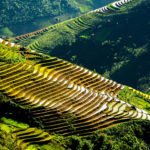
Outside of connections to the Vietnam War, the stereotypical image of Vietnam is of the many rice paddies. You can find these in the Muong Hoa Valley. If you’ve never visited rice terraces, you should make a point to see them in Vietnam. Visit them to learn about rice production and take stunning photographs of the unbelievable Vietnamese countryside. Expect tours to cost around 300,000 VND (13 USD) per person.
10. Relax in Hue
Hue is generally passed by, making it a bit of a quieter stop along the tourist trail. Stroll along the beautiful Perfume River and into the Imperial Citadel. Don’t miss the Tombs of the Emperors.
Book your Travel with Travelpaa Now!
Best time to visit Vietnam
Vietnam is long and narrow, so the weather changes by region:
- North (Hanoi, Halong Bay, Sapa): October–April is best; December–February can be cool, so pack a jacket.
- Centre (Da Nang, Hoi An, Hue): February–August is dry and sunny; heavy rain is common from October to December.
- South (Ho Chi Minh City, Mekong Delta, Phu Quoc): December–April is the dry season.
If you want one window for the whole country, February to April usually works best.
Sample 8-day Vietnam itinerary
- Day 1–2: Hanoi – Old Quarter, Hoan Kiem Lake, Temple of Literature, water-puppet show.
- Day 3: Overnight Halong Bay cruise with kayaking and cave visits.
- Day 4: Fly to Da Nang; Marble Mountains and My Khe beach.
- Day 5: Ba Na Hills and the Golden Bridge; evening in lantern-lit Hoi An.
- Day 6: Fly to Ho Chi Minh City; Ben Thanh Market and the War Remnants Museum.
- Day 7: Cu Chi Tunnels and a Mekong Delta boat trip.
- Day 8: Shopping and fly home.
Short on time? Choose either North Vietnam (Hanoi, Halong Bay, Ninh Binh) or Central Vietnam (Da Nang, Hoi An) for a 4–5 night trip. For more ideas see our list of top tourist places in Vietnam.
Practical tips for Indian travellers
- Visa: apply for the e-visa only on Vietnam’s official government portal; avoid look-alike sites that charge extra.
- Flights: non-stop flights connect Delhi and Mumbai with Hanoi and Ho Chi Minh City.
- Money: the currency is the Vietnamese Dong (VND). Carry some US dollars to exchange locally and use ATMs in cities.
- Food: Indian restaurants are available in Hanoi, Da Nang, Hoi An and Ho Chi Minh City. For vegetarian food look for “chay” restaurants.
- Getting around: use Grab for taxis and fly between regions to save time.
- Connectivity: buy a local SIM or eSIM at the airport for maps and ride apps.
Why trust this guide?
This guide is written and reviewed by the TravelPaa holiday-planning team in Delhi, who design Vietnam itineraries for travellers from India every season. Tips on timing, food and logistics come from what our guests ask us most before they fly. Need help planning? Call +91-98999-21952 or email holidays@travelpaa.com.
Frequently asked questions
How many days are enough for Vietnam?
Seven to nine nights cover the north, centre and south. With five nights, focus on one or two regions.
Is Vietnam good for a honeymoon?
Yes – a private Halong Bay cruise, the lanterns of Hoi An and beach resorts in Da Nang or Phu Quoc make it a great-value honeymoon destination.
Is Vietnam budget-friendly for Indians?
Yes. Hotels, food and domestic flights are generally good value, which is why Vietnam has become one of the most popular short-haul trips from India.
Useful official sources
- Vietnam National Authority of Tourism – official travel site
- Vietnam e-Visa – official government portal
Plan your Vietnam trip with TravelPaa
Browse our ready-to-book Vietnam tour packages with flights, hotels, transfers and sightseeing, or ask our team to customise one for your dates and budget.