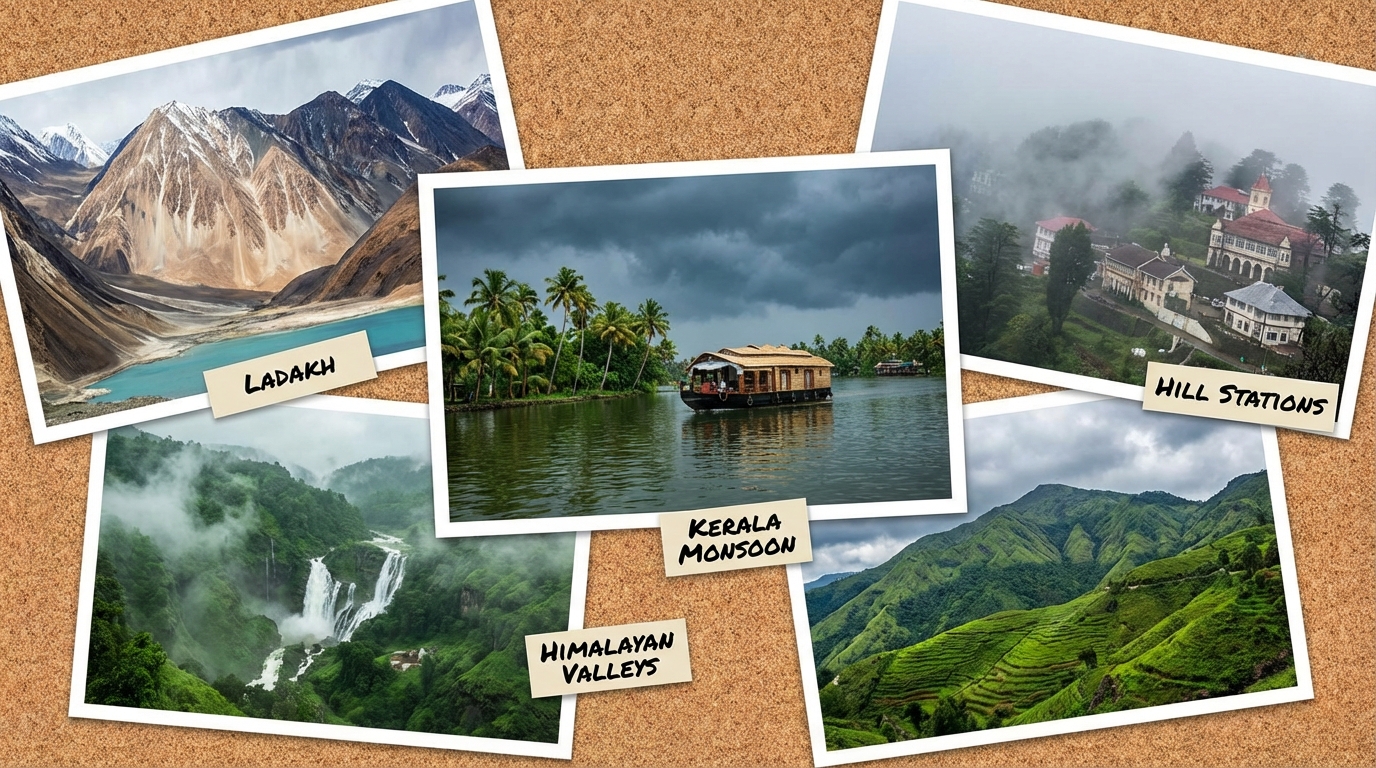
Introduction: Embracing India’s June Magic – Where Summer Meets Monsoon
June in India is a month of dramatic transitions and breathtaking contrasts. While plains swelter under intense heat, the Himalayas open their arms to adventurers with crystal-clear skies and snow-capped peaks. As the Southwest Monsoon begins its journey from the southern tip of Kerala, it paints landscapes in a thousand shades of green, awakening waterfalls that remained dormant through summer’s dry months, and filling valleys with the intoxicating scent of wet earth.
This is not just any travel month—June is when India reveals some of its most spectacular secrets. It’s when you can stand at 18,000 feet in Ladakh, surrounded by barren beauty under the brightest blue skies, or cruise through Kerala’s backwaters as gentle rain creates ripples on tranquil waters. It’s when Meghalaya’s living root bridges glisten with monsoon moisture, and the Valley of Flowers bursts into its annual floral symphony.
As the best travel agency in Delhi with over 44 years of crafting perfect Indian journeys, TravelPaa has guided countless travelers through June’s unique offerings. We’ve watched families discover Manali’s pleasant summer weather, seen honeymooners fall in love all over again in Kerala’s romantic monsoons, and witnessed adventure enthusiasts conquer Ladakh’s challenging terrains. Each June brings new stories, new discoveries, and new reasons to explore incredible India.
This comprehensive guide unveils the Top 10 Places to Visit in India in June 2026—carefully curated destinations that either beat the heat or celebrate the monsoon, each offering experiences you simply can’t replicate in any other month. Whether you’re planning a family vacation, romantic honeymoon, solo adventure, or group expedition, this guide is your roadmap to making June 2026 unforgettable.
And when you’re ready to transform these words into memories, TravelPaa’s customized tour packages ensure every detail is handled, every destination optimized, and every moment maximized.
Understanding June in India: A Tale of Two Seasons
The Geographic Divide
June marks a fascinating climatic split across India:
Northern Mountains (Ladakh, Spiti, Himachal, Uttarakhand):
- Weather: Perfect! 15-25°C daytime, clear skies
- Roads open after winter closure
- Peak adventure season begins
- Minimal rainfall (desert regions)
Western & Eastern Ghats + Northeast (Kerala, Maharashtra, Meghalaya):
- Monsoon arrival: Late May/early June
- Temperature drops to pleasant 20-28°C
- Lush greenery explodes
- Waterfalls at peak flow
- Romantic, misty atmosphere
Plains (Delhi, Rajasthan, UP, MP):
- Extremely hot: 38-45°C
- Generally avoided by domestic tourists
- International travelers sometimes unaware of intensity
Why June is Special:
✅ Fewer Crowds: School summer holidays haven’t peaked yet
✅ Better Prices: 20-30% lower than peak July-August in many destinations
✅ Unique Experiences: Monsoon’s arrival, Valley of Flowers opening, Ladakh roads accessible
✅ Photography Paradise: Monsoon mist, crystal-clear Himalayan skies, dramatic cloudscapes
✅ Festival Season: Hemis Festival in Ladakh (June/July), Rath Yatra preparation
Top 10 Places to Visit in India in June 2026
1. Ladakh – The High Altitude Desert Paradise
Why June is Perfect:
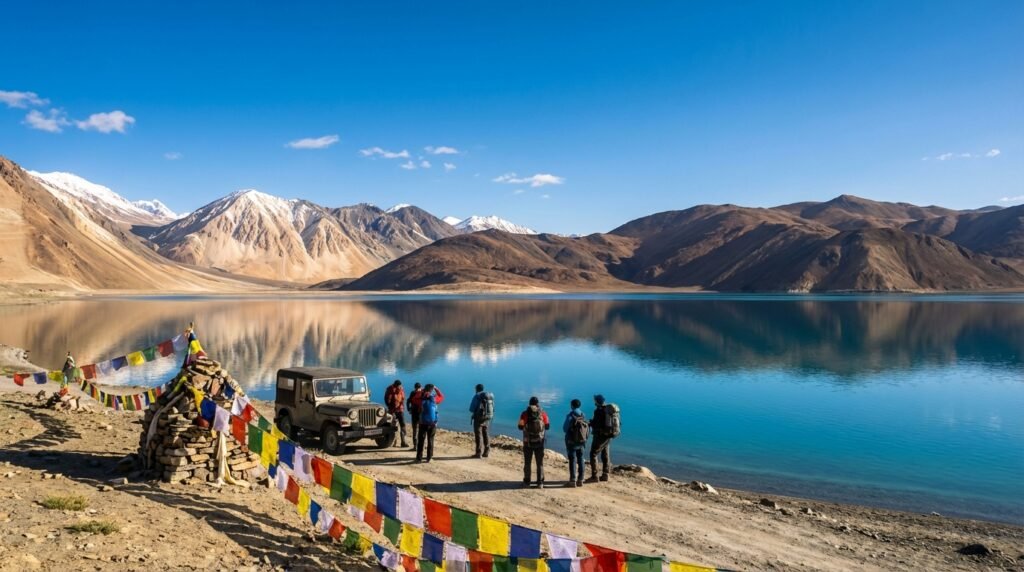
June marks Ladakh’s prime season—Manali-Leh highway opens (usually by June 1st), weather is stable with minimal precipitation, and all major passes become accessible. The stark beauty of barren mountains against impossibly blue skies creates landscapes that feel more like another planet than another place.
Weather: Daytime 15-25°C, nights 5-10°C, virtually no rain, intense sun (high UV)
What Makes It Special:
Ladakh in June offers the best of all worlds: all roads open (including Khardung La, one of world’s highest motorable passes), Pangong Lake’s turquoise waters at their most vibrant against snow-dusted mountains, Buddhist monasteries hosting colorful festivals, and adventure opportunities from river rafting to mountain biking.
Must-Visit Attractions:
- Pangong Lake: 134 km long lake shared with China, famous for changing colors (blue to green to red) through the day
- Nubra Valley: Sand dunes with double-humped Bactrian camels, Diskit Monastery with 106-foot Maitreya Buddha
- Khardung La Pass: At 17,582 feet, world’s highest motorable road
- Leh Palace: 17th-century palace resembling Potala Palace of Tibet
- Magnetic Hill: Gravity-defying phenomenon where vehicles appear to roll uphill
- Hemis Monastery: Home to the famous Hemis Festival (dates vary, often June-July)
- Thiksey Monastery: Resembling Potala Palace, spectacular morning prayers
Adventure Activities:
- River Rafting on Zanskar River (Class II-IV rapids)
- Mountain Biking on challenging Himalayan terrain
- Trekking: Markha Valley, Chadar Trek remnants (frozen river accessible through early June)
- Motorbiking: The ultimate Leh-Ladakh bike expedition
- Camel Safari in Nubra Valley’s sand dunes
Accommodation Options:
- Budget: ₹800-₹1,500/night (guesthouses in Leh market)
- Mid-Range: ₹2,500-₹5,000/night (hotels with heating, hot water)
- Luxury: ₹8,000-₹25,000/night (The Grand Dragon, Nimmu House, The Druk Ladakh)
Travel Tips:
- Acclimatization Crucial: Spend first 24-48 hours in Leh resting, no heavy activities
- Permits Required: Inner Line Permit for Nubra, Pangong, Tso Moriri (arranged through travel agents)
- Altitude Sickness: Carry Diamox (consult doctor), stay hydrated, avoid alcohol initially
- Packing: Layers essential (temperature swings 20°C in a day), sunscreen SPF 50+, sunglasses, warm jacket for evenings
TravelPaa’s Ladakh Adventure Package (7N/8D):
- Starting from: ₹42,999 per person
- Itinerary: Leh (2N) → Nubra Valley (1N) → Pangong Lake (1N) → Leh (3N)
- Inclusions: Flights from Delhi, all hotels with breakfast, SUV with driver/fuel, inner line permits, sightseeing, oxygen cylinders (emergency), travel insurance
- Special: Acclimatization support, altitude sickness medication guidance, 24/7 emergency contact
Best For: Adventure seekers, photographers, motorcycling enthusiasts, couples seeking unique honeymoon, nature lovers
How to Reach:
- By Air: Flights from Delhi (1.5 hours), Mumbai, Srinagar to Leh (Kushok Bakula airport)
- By Road: Manali-Leh Highway (475 km, 2 days) or Srinagar-Leh Highway (434 km, 2 days)
Budget Estimate (Per Person, 7-8 days):
- Budget Travel: ₹25,000-₹35,000
- Mid-Range: ₹45,000-₹65,000
- Luxury: ₹80,000-₹1,50,000
2. Spiti Valley – The Middle Land Between India and Tibet
Why June is Perfect:
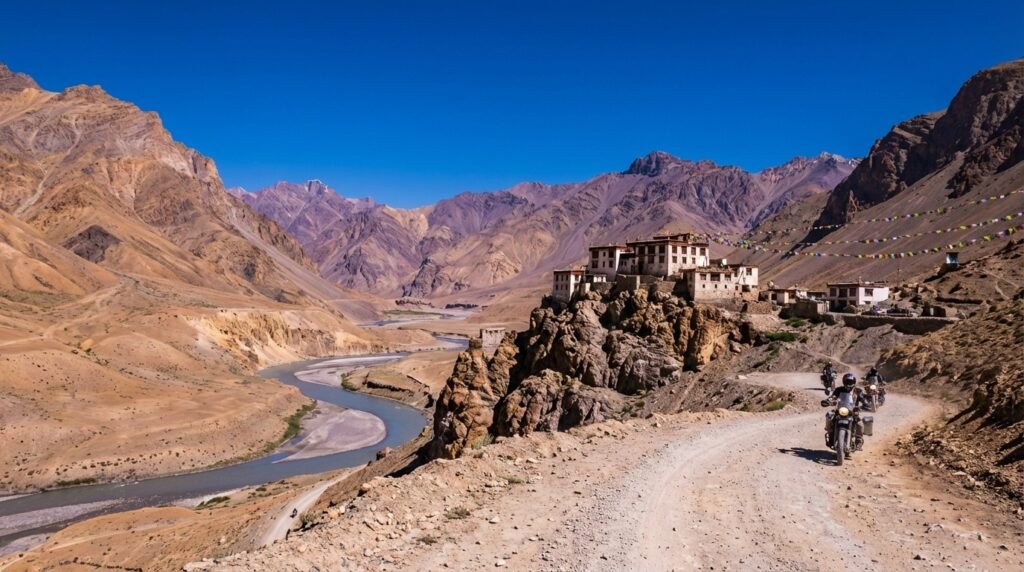
Spiti Valley becomes accessible in June when snow melts from Kunzum Pass (14,931 feet). This is when Spiti reveals its raw, untouched beauty—a land of Buddhist monasteries clinging to cliffsides, turquoise Spiti River cutting through barren mountains, and villages where time seems frozen.
Weather: Daytime 15-22°C, nights 5-10°C, mostly sunny with occasional cloud cover
What Makes It Special:
Spiti is Ladakh’s less commercialized cousin—remote, spiritually enriching, and stunningly photogenic. June offers the advantage of accessibility without the July-August tourist rush. The barren landscape punctuated by green oases (villages), ancient monasteries, and incredibly hospitable locals creates an experience that transforms travelers.
Must-Visit Attractions:
- Key Monastery: 1,000-year-old monastery perched dramatically on a hilltop, largest in Spiti
- Chandratal Lake (Moon Lake): High-altitude lake (14,100 feet) with crystal-clear waters reflecting surrounding peaks
- Kibber Village: One of world’s highest inhabited villages at 14,200 feet
- Pin Valley National Park: Home to snow leopards, ibex, and rare Himalayan flora
- Dhankar Monastery & Lake: Precarious fort-monastery overlooking confluence of Spiti and Pin rivers
- Komic Village: World’s highest village with motorable road (15,027 feet)
- Tabo Monastery: 1,000+ year old monastery, “Ajanta of the Himalayas”
Unique Experiences:
- Homestays: Live with local families, experience Spiti culture authentically
- Fossil Hunting: Spiti’s mountains contain marine fossils (Tethys Sea remnants)
- Star Gazing: Minimal light pollution creates spectacular night skies
- Buddhist Immersion: Participate in monastery prayers, learn about Tibetan Buddhism
Adventure Activities:
- Trekking: Pin Parvati Pass, Parang La trek
- Mountain Biking: Challenging high-altitude routes
- Wildlife Spotting: Snow leopards (if lucky), ibex, blue sheep
Accommodation:
- Budget: ₹500-₹1,200/night (basic guesthouses, homestays)
- Mid-Range: ₹1,800-₹3,500/night (comfortable hotels in Kaza)
- Camping: Available near Chandratal Lake (₹800-₹1,500/night with meals)
Travel Tips:
- Connectivity: Limited mobile network (BSNL works best), embrace digital detox
- ATMs: Only in Kaza, carry sufficient cash
- Medical Facilities: Minimal, carry first-aid kit and basic medicines
- Permits: Required for Kaza, obtained at Kaza or arranged through travel agents
- Respect Local Culture: Spiti is deeply Buddhist, dress modestly at monasteries, ask before photographing
TravelPaa’s Spiti Circuit Package (8N/9D):
- Starting from: ₹38,999 per person
- Route: Shimla → Kalpa → Nako → Tabo → Dhankar → Kaza → Key → Kibber → Chandratal → Manali
- Inclusions: Transport (Tempo Traveler/SUV), all accommodation, breakfast & dinner, permits, guide, sightseeing
- Special: Experienced Spiti drivers (essential for challenging roads), flexible itinerary for weather
Best For: Offbeat travelers, spiritual seekers, photographers, motorcycling groups, couples seeking isolation
How to Reach:
- Via Shimla: Shimla → Kaza (420 km, 2 days with stops)
- Via Manali: Manali → Kaza (200 km, 1 long day or 2 comfortable days)
- Note: Roads can close unexpectedly due to landslides; flexibility essential
Budget Estimate (8-9 days):
- Budget: ₹20,000-₹30,000
- Mid-Range: ₹40,000-₹55,000
- Organized Tour: ₹45,000-₹65,000
3. Manali – The Valley of Gods Welcomes Summer
Why June is Perfect:
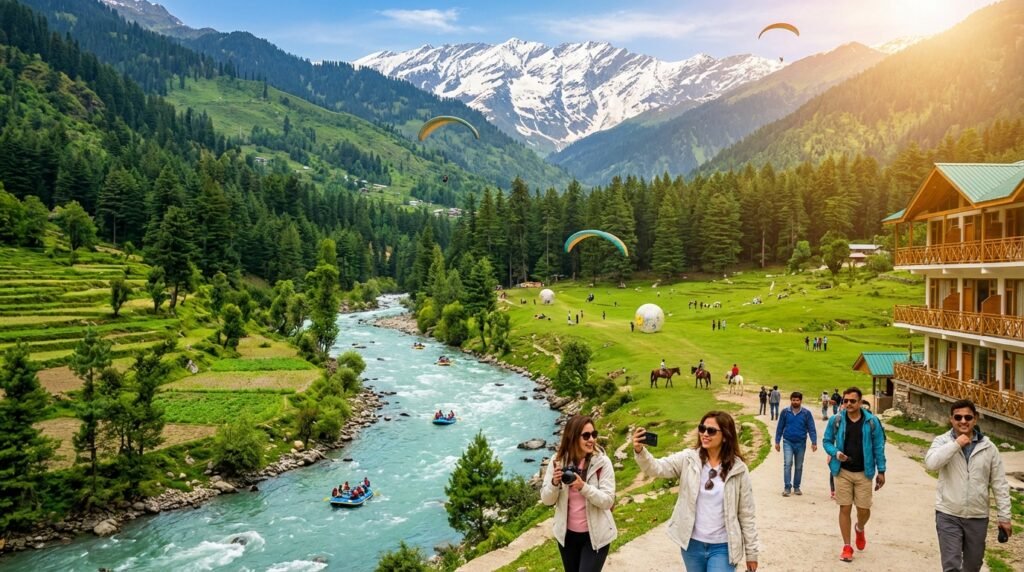
Manali in June offers the ideal mountain escape—pleasant 15-25°C weather, lush green valleys, snow-capped peaks visible in the distance, and adventure activities in full swing. It’s warm enough for comfortable sightseeing but cool enough to escape plains’ scorching heat.
Weather: Daytime 15-25°C, nights 8-12°C, occasional showers (pre-monsoon), mostly clear
What Makes It Special:
Manali strikes the perfect balance between accessibility and adventure, commercialization and natural beauty, relaxation and activity. June sees Manali at its greenest—Beas River flows vigorously, Solang Valley’s meadows bloom, and Rohtang Pass (till mid-June) offers snow experiences just hours from the valley.
Must-Visit Attractions:
- Solang Valley: Adventure hub (paragliding, zorbing, cable car), stunning valley views
- Rohtang Pass: 51 km from Manali, snow point, gateway to Lahaul-Spiti (permit required, closes by mid-June some years)
- Hadimba Devi Temple: Ancient temple in deodar forest, unique pagoda-style architecture
- Old Manali: Hippie vibe, cafes, live music, Israeli cuisine, shopping
- Vashisht Village: Hot water springs, ancient temple, peaceful atmosphere
- Jogini Waterfalls: 3 km trek from Vashisht, 160-foot waterfall
- Manu Temple: Dedicated to sage Manu (believed to have meditated here)
- Nehru Kund: Natural spring named after Jawaharlal Nehru
Adventure Activities:
- Paragliding: Solang Valley (₹800-₹2,500 for 15-30 min flights)
- River Rafting: Beas River (Class II-III rapids)
- Trekking: Beas Kund, Hampta Pass, Bhrigu Lake
- Mountain Biking: Trails around Manali
- Zorbing: Roll downhill inside giant transparent ball
- Skiing: If Rohtang Pass accessible and has snow
Accommodation Options:
- Budget: ₹800-₹2,000/night (Old Manali guesthouses, hostels)
- Mid-Range: ₹3,000-₹6,000/night (Mall Road hotels, riverside resorts)
- Luxury: ₹10,000-₹35,000/night (Manu Allaya Resort, The Himalayan, Span Resort)
Family-Friendly Features:
- Easy accessibility (good roads, frequent buses, airport in Bhuntar)
- Wide range of activities suitable for all ages
- Good medical facilities and pharmacies
- Variety of cuisine options (South Indian, North Indian, Continental, Chinese)
TravelPaa’s Manali Family Package (5N/6D):
- Starting from: ₹28,999 per person (₹85,000 for family of 4 with 2 children)
- Inclusions: Volvo bus/flights to Manali, 3-star hotel, breakfast, Solang Valley tour, Rohtang Pass tour (if accessible), local sightseeing, adventure activities (1 per person), travel insurance
- Special: Kid-friendly itinerary, flexibility for family needs
Shopping in Manali:
- Tibetan handicrafts, woolen shawls, caps
- Local honey, apple products, herbs
- Handmade soaps, Himalayan salt products
- Mall Road and Old Manali markets
Best For: Families with kids, honeymooners, adventure enthusiasts, groups, budget travelers to luxury seekers (options for all)
How to Reach:
- By Air: Bhuntar Airport (50 km, 2 hours by road)
- By Road: Delhi-Manali (540 km, 12-14 hours, overnight Volvo buses)
- By Train: Nearest railway Joginder Nagar or Chandigarh, then taxi/bus
Budget Estimate (5-6 days):
- Budget: ₹15,000-₹25,000
- Mid-Range: ₹30,000-₹45,000
- Luxury: ₹55,000-₹90,000
4. Meghalaya – The Abode of Clouds Awakens
Why June is Perfect:
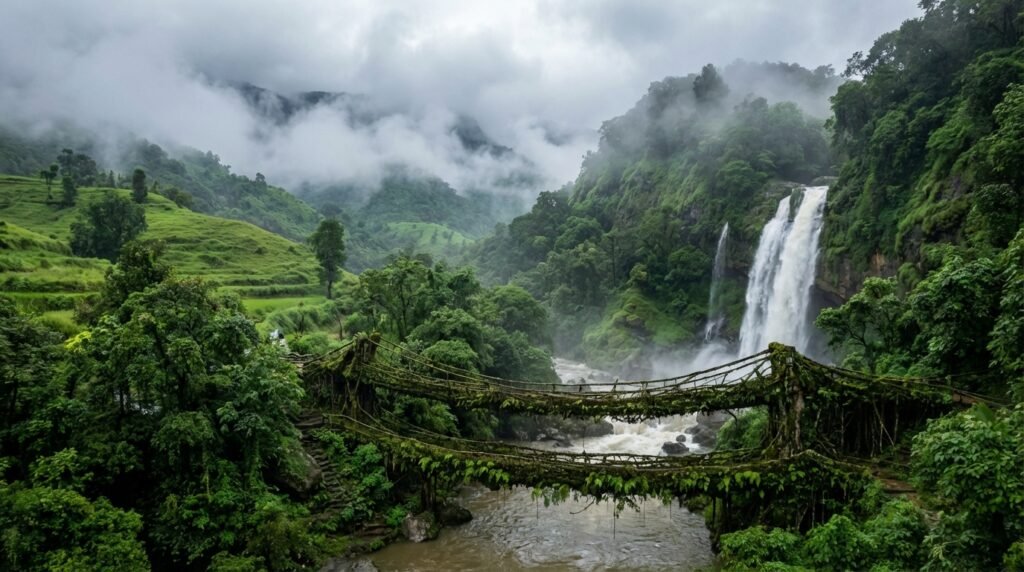
June marks the monsoon’s arrival in Meghalaya, and this is when “The Abode of Clouds” truly lives up to its name. Waterfalls that were mere trickles in summer roar to life, living root bridges glisten with moisture, and the entire landscape transforms into the greenest place on Earth.
Weather: 18-25°C, heavy rainfall begins (Cherrapunji averages 2,000mm in June), misty and atmospheric
What Makes It Special:
Meghalaya’s monsoon is not something to avoid—it’s the main attraction! The rain creates an ethereal, fairy-tale atmosphere. Mist rolls through valleys, clouds descend to walk among, and waterfalls appear around every corner. June offers the advantage of monsoon beauty without the peak July-August flooding that can close roads.
Must-Visit Attractions:
- Living Root Bridges: Double-decker root bridge in Nongriat village (3 km trek each way), single root bridges across Meghalaya
- Nohkalikai Falls: India’s tallest plunge waterfall (1,115 feet), most spectacular during monsoon
- Mawlynnong Village: Asia’s cleanest village, living root bridge, sky walk
- Dawki (Umngot River): Crystal-clear river where boats appear to float on air (even in monsoon)
- Cherrapunji/Sohra: Wettest place on Earth, numerous waterfalls, Seven Sisters Falls, Mawsmai Caves
- Elephant Falls: Three-tiered waterfall near Shillong
- Shillong: Capital city, Ward’s Lake, Don Bosco Museum, police bazaar
- Laitlum Canyon: Grand canyon-like views, misty mornings magical
Unique Experiences:
- Trek to Root Bridges: Challenging but rewarding (3,000+ steps in Nongriat trek)
- Boat Ride in Dawki: Even during monsoon, the Umngot River remains relatively clear
- Cave Exploration: Mawsmai Cave (limestone formations, bats)
- Local Cuisine: Jadoh (red rice with meat), Tungrymbai (fermented soybean), smoked pork
- Village Homestays: Experience Khasi tribal culture firsthand
Photography Paradise:
- Misty landscapes
- Waterfalls in full fury
- Living root bridges with rain
- Dramatic cloud formations
- Green valleys stretching to Bangladesh border
Accommodation:
- Budget: ₹800-₹1,800/night (Shillong homestays, Cherrapunji guesthouses)
- Mid-Range: ₹2,500-₹5,000/night (Shillong hotels, Cherrapunji resorts)
- Luxury: ₹8,000-₹18,000/night (Ri Kynjai resort near Shillong, boutique properties)
Travel Tips:
- Rain Gear Essential: Good rain jacket, waterproof bag for electronics, quick-dry clothes
- Footwear: Anti-slip shoes crucial for root bridge treks and wet trails
- Leeches: Common during monsoon, wear socks, carry salt
- Connectivity: Limited mobile network in remote areas, BSNL works best
- Fitness: Root bridge treks require moderate fitness (3,000+ steps)
TravelPaa’s Meghalaya Monsoon Package (6N/7D):
- Starting from: ₹32,999 per person
- Itinerary: Guwahati → Shillong (2N) → Cherrapunji (2N) → Dawki → Mawlynnong (1N) → Shillong (1N) → Guwahati
- Inclusions: Guwahati airport pickup/drop, all transport (SUV with experienced driver), accommodation, breakfast, permits, guide for root bridge trek
- Special: Monsoon safety briefings, flexible itinerary for heavy rain days
Best For: Adventure couples, photographers, nature enthusiasts, offbeat travelers, monsoon lovers
How to Reach:
- By Air: Guwahati Airport (Lokpriya Gopinath Bordoloi International), then 3-hour drive to Shillong
- By Train: Guwahati Railway Station, then road transfer
- By Road: Well-connected to Guwahati
Budget Estimate (6-7 days):
- Budget: ₹22,000-₹32,000
- Mid-Range: ₹35,000-₹50,000
- Organized Tour: ₹40,000-₹60,000
5. Kerala Backwaters – God’s Own Country in Monsoon
Why June is Perfect:
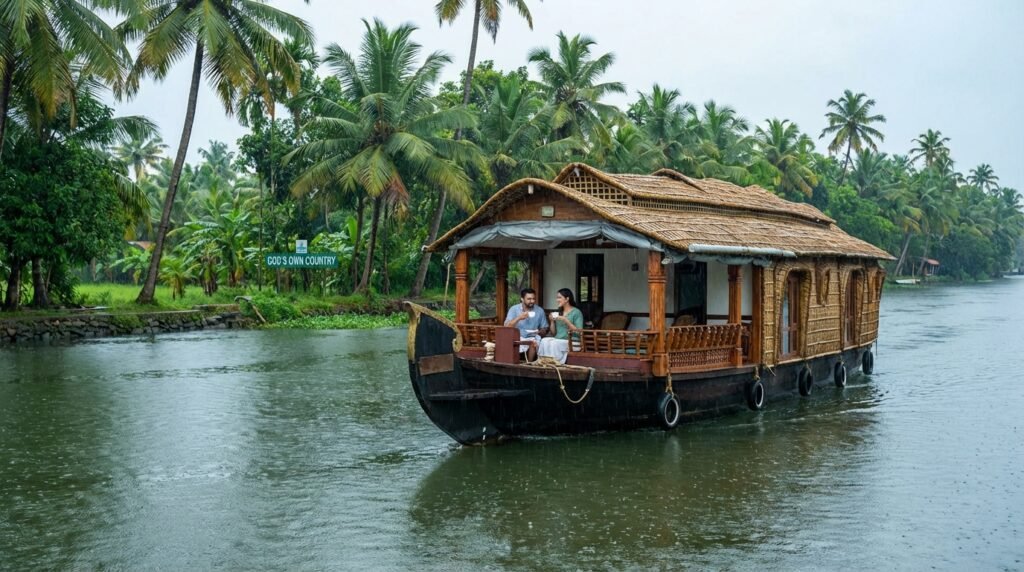
Kerala’s monsoon arrival (early June) transforms the backwaters into a romantic paradise. Gentle rain creates ripples on tranquil waterways, lush greenery intensifies, and the atmosphere becomes intimate and cozy. Houseboat cruises during light rain offer unique romance, and Ayurvedic treatments are considered most effective during monsoon.
Weather: 24-30°C, high humidity (80-90%), frequent rain showers (not continuous downpour), occasional sunshine
What Makes It Special:
Kerala in monsoon is not about avoiding rain—it’s about embracing it. The smell of wet earth mixed with spices, rain drumming on houseboat roofs while you drift through palm-fringed canals, and Ayurvedic oil massages with cool monsoon breeze create sensory experiences unavailable in any other season.
Must-Visit Attractions:
- Alleppey (Alappuzha) Backwaters: Houseboat cruises, network of canals, village life
- Kumarakom: Bird sanctuary, luxury resorts, quieter backwater experience
- Munnar: Hill station, tea plantations (30% greener during monsoon), waterfalls
- Cochin (Kochi): Fort Kochi’s colonial charm, Chinese fishing nets, spice markets, Kathakali dance
- Varkala Beach: Cliff beach, less crowded in monsoon, dramatic waves
- Athirappilly Falls: “Niagara of India,” most spectacular during monsoon (400% more water)
- Periyar Wildlife Sanctuary: Thekkady’s spice plantations, elephant spotting, boat rides
Unique Monsoon Experiences:
- Houseboat Stay: Overnight on traditional Kettuvallam (rice boat) cruising through rain-kissed backwaters
- Ayurvedic Monsoon Packages: Monsoon considered ideal season for Panchakarma treatments (body most receptive)
- Monsoon Ayurveda: 7-14 day wellness retreats at Kerala’s Ayurvedic resorts
- Kathakali Performance: Traditional dance-drama, indoor cultural experience perfect for rainy evenings
- Spice Plantation Tours: Cardamom, pepper, cinnamon at peak aromatic intensity during monsoon
Accommodation:
- Budget: ₹1,200-₹2,500/night (basic houseboats, budget homestays)
- Mid-Range: ₹4,000-₹8,000/night (comfortable houseboats with AC, backwater resorts)
- Luxury: ₹15,000-₹50,000/night (luxury houseboats with chef, Kumarakom Lake Resort, Taj properties, Ayurvedic resorts)
Monsoon Advantages:
- 40-50% lower prices than peak season (December-February)
- Fewer tourists, peaceful experience
- Best time for Ayurvedic treatments (monsoon humidity enhances medicine absorption)
- Lush, vibrant landscapes
- Romantic, cozy atmosphere
Travel Tips:
- Pack Smart: Light cotton clothes, rain jacket, waterproof bag, anti-mosquito cream
- Houseboat Booking: Book in advance even in monsoon (limited availability of good boats)
- Activities: Many outdoor activities limited during heavy rain; plan indoor alternatives
- Food: Houseboat meals included, try Kerala fish curry, appam, stew
- Health: Monsoon brings mosquitoes; take malaria precaution
TravelPaa’s Kerala Monsoon Romance (5N/6D):
- Starting from: ₹38,999 per couple
- Itinerary: Cochin (1N) → Munnar (2N) → Alleppey Houseboat (1N) → Kumarakom Resort (1N) → Cochin
- Inclusions: All transfers, accommodation, houseboat (AC, full meals), Munnar sightseeing, Kathakali show, Ayurvedic massage (1 session per person)
- Special: Honeymoon decorations on houseboat, romantic candle-lit dinner, flower arrangements
Best For: Honeymooners, couples seeking romantic getaway, Ayurveda enthusiasts, photographers, relaxation seekers
How to Reach:
- By Air: Cochin International Airport (major hub, international connections)
- By Train: Ernakulam Junction, Alappuzha Railway Station
- By Road: Well-connected to all major South Indian cities
Budget Estimate (5-6 days):
- Budget: ₹20,000-₹30,000 per couple
- Mid-Range: ₹40,000-₹60,000 per couple
- Luxury: ₹80,000-₹1,50,000 per couple
6. Valley of Flowers & Hemkund Sahib – Uttarakhand’s Floral Paradise
Why June is Perfect:
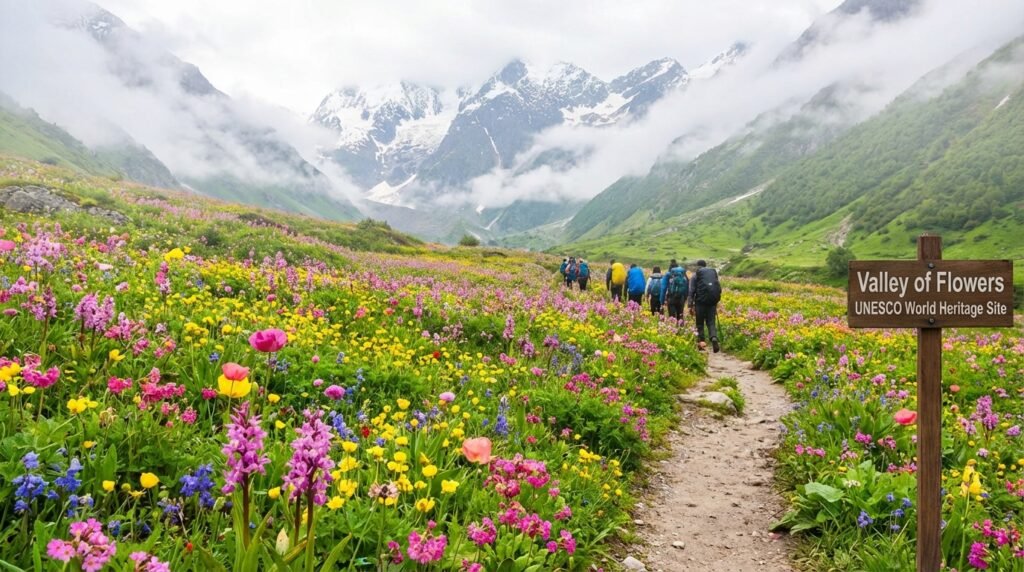
Valley of Flowers National Park opens in early June (usually June 1st) after winter snow clears. The first weeks of June see the valley awakening—early blooms begin, and you beat the peak July-August monsoon crowds. This UNESCO World Heritage Site becomes a carpet of alpine flowers that exists nowhere else on Earth.
Weather: Daytime 10-18°C, nights 5-10°C, occasional rain showers (monsoon approaching), misty mornings
What Makes It Special:
Valley of Flowers is a limited-window destination—open only June to early October. In June, you witness the valley’s transformation from snow-covered to flower-covered. Over 500 species of wildflowers (many endemic) carpet meadows in pink, purple, yellow, and white. The backdrop of snow-clad Himalayan peaks completes this natural masterpiece.
Must-Visit Attractions:
- Valley of Flowers Trek: 5 km trek from Ghangaria village, moderate difficulty
- Hemkund Sahib: Sikh pilgrimage site at 15,197 feet, glacial lake surrounded by seven peaks
- Ghangaria Village: Base camp, last human settlement before the valley
- Pushpawati River: Flows through the valley, numerous small waterfalls
- Tipra Glacier View: Terminal point of valley trek
Flora Highlights (June):
- Himalayan Blue Poppy (state flower of Uttarakhand)
- Brahma Kamal (blooms night, considered sacred)
- Himalayan Bellflower
- Potentilla
- Geraniums
- Primulas
- Anemone
Trek Details:
- Duration: 6 days (standard itinerary)
- Day 1: Haridwar/Rishikesh to Govindghat (10-12 hours by road)
- Day 2: Govindghat to Ghangaria (13 km trek/pony ride)
- Day 3: Ghangaria to Valley of Flowers and back (11 km)
- Day 4: Ghangaria to Hemkund Sahib and back (12 km, optional but recommended)
- Day 5: Ghangaria to Govindghat, drive to Rishikesh/Haridwar
- Day 6: Depart from Haridwar/Rishikesh
Trek Difficulty: Moderate (suitable for reasonably fit individuals, including children above 10 years)
Accommodation:
- Ghangaria: Gurdwara langar (free, basic), lodges (₹500-₹1,500/night), tents (₹300-₹800/night)
- No accommodation inside Valley of Flowers (day trip only from Ghangaria)
Essential Tips:
- Permits Required: Entry tickets at Ghangaria (₹150 Indians, ₹600 foreigners)
- Packing: Rain jacket, warm layers, trekking shoes, walking stick, water bottle, energy bars
- Fitness: Start light cardio 2-3 weeks before trek
- Porters/Ponies: Available from Govindghat to Ghangaria (₹600-₹1,000)
- Plastic Ban: Strictly enforced; carry reusable water bottles
- Mobile Network: Minimal or none; BSNL works occasionally in Ghangaria
TravelPaa’s Valley of Flowers Trek Package (6D/7N):
- Starting from: ₹18,999 per person
- Inclusions: Haridwar/Rishikesh pickup-drop, all transport, Ghangaria accommodation, meals during trek, guide, permits, first-aid kit, porter assistance
- Group Size: 8-12 people (smaller groups for personalized experience)
- Special: Trek briefing by experienced leaders, medical support, flexible pace
Photography Tips:
- Macro lens ideal for close-up flower shots
- Waterproof camera bag essential (rain/mist)
- Tripod for landscape shots
- Best light: Early morning and late afternoon
Best For: Nature photographers, trekkers, couples seeking unique honeymoon, families with older children, flower enthusiasts, spiritual seekers (Hemkund Sahib)
How to Reach:
- By Air: Jolly Grant Airport, Dehradun (60 km from Haridwar)
- By Train: Haridwar or Rishikesh Railway Station
- By Road: Haridwar/Rishikesh to Govindghat (295 km, 10-12 hours)
Budget Estimate:
- DIY Trek: ₹12,000-₹18,000
- Organized Group Trek: ₹20,000-₹28,000
- Private Trek: ₹30,000-₹45,000
7. Coorg – Scotland of India in Pre-Monsoon
Why June is Perfect:
Coorg in June experiences pre-monsoon showers that wash away summer’s dust, leaving coffee plantations extraordinarily lush and green. Temperatures drop to pleasant 18-28°C, waterfalls begin flowing, and the entire region smells of wet coffee beans and spices. It’s after the summer rush but before the heavy monsoon.
Weather: 18-28°C, intermittent showers (not continuous), misty mornings, pleasant and cool
What Makes It Special:
Coorg (Kodagu) is Karnataka’s coffee country—rolling hills covered in coffee and spice plantations, waterfalls hidden in forests, and Kodava culture distinct from the rest of India. June offers the perfect balance: greenery awakening without the flooding that July-August can bring.
Must-Visit Attractions:
- Abbey Falls: 70-foot waterfall surrounded by coffee plantations, most spectacular after rain
- Raja’s Seat: Sunset point, garden with panoramic valley views, mist rolling in mornings
- Dubare Elephant Camp: Interact with elephants, river rafting on Cauvery
- Talacauvery: Cauvery River’s origin, Brahmagiri Peak trek (challenging)
- Namdroling Monastery (Golden Temple): Tibetan settlement, largest teaching center of Nyingma lineage
- Mandalpatti: Viewpoint accessible by jeep, stunning 360-degree views
- Iruppu Falls (Lakshmana Tirtha Falls): Sacred waterfall in Brahmagiri Range
Unique Experiences:
- Coffee Plantation Tour: Learn coffee-making process, taste fresh brew
- Homestay Experience: Traditional Kodava homes, home-cooked meals
- Coorg Cuisine: Pandi curry (pork), kadambuttu (rice dumplings), bamboo shoot curry
- White Water Rafting: Barapole River (Grade 2-3 rapids)
Adventure Activities:
- Trekking: Tadiandamol Peak (Coorg’s highest at 5,735 feet), Pushpagiri
- Zip-lining and rope activities
- ATV rides through plantations
- Bird watching (hornbills, woodpeckers)
Accommodation:
- Budget: ₹1,000-₹2,000/night (budget hotels, basic homestays)
- Mid-Range: ₹3,000-₹6,000/night (plantation homestays, resorts)
- Luxury: ₹10,000-₹30,000/night (Evolve Back Coorg, Taj Madikeri, Orange County)
Family-Friendly:
- Easy accessibility (good roads)
- Wide range of activities for all ages
- Safe and peaceful
- Pleasant weather
TravelPaa’s Coorg Family Package (4N/5D):
- Starting from: ₹24,999 for family of 4
- Inclusions: Bangalore pickup-drop, plantation homestay, all meals, sightseeing, coffee plantation tour, elephant camp visit, adventure activities (1 per person)
- Special: Kid-friendly itinerary, Kodava cultural experience
Shopping:
- Coorg coffee (buy directly from plantations)
- Spices: cardamom, pepper, vanilla
- Coorg honey
- Homemade chocolates
Best For: Families, honeymooners, coffee lovers, nature enthusiasts, relaxation seekers, photographers
How to Reach:
- By Air: Mangalore Airport (160 km, 3.5 hours) or Bangalore Airport (260 km, 5-6 hours)
- By Train: Mysore Railway Station (95 km, 2.5 hours by road)
- By Road: Well-connected to Bangalore, Mysore, Mangalore
Budget Estimate (4-5 days):
- Budget: ₹18,000-₹28,000 for couple
- Mid-Range: ₹35,000-₹50,000 for couple
- Luxury: ₹60,000-₹1,00,000 for couple
8. Nainital & Bhimtal – Lake District of India
Why June is Perfect:
Nainital in June offers perfect hill station weather—15-25°C, clear skies (monsoon hasn’t arrived yet in Uttarakhand’s lower hills), and all boating, trekking, and sightseeing activities in full swing. It’s pleasantly busy but not overwhelmingly crowded like peak season July-August.
Weather: Daytime 15-25°C, nights 10-15°C, mostly sunny with occasional clouds, perfect for all activities
What Makes It Special:
Nainital, built around the beautiful Naini Lake, is Uttarakhand’s most popular hill station—and for good reason. The combination of a scenic lake, British colonial architecture, ropeway rides offering Himalayan views, and proximity to Delhi (320 km) makes it perfect for weekend getaways and family vacations.
Must-Visit Attractions:
- Naini Lake: Pear-shaped lake (circumference 2 miles), boating hub
- Naina Devi Temple: Situated on northern shore of Naini Lake
- Snow View Point: Accessible by ropeway, panoramic views of Himalayan peaks (Nanda Devi, Trishul, Nanda Kot)
- Tiffin Top (Dorothy’s Seat): 2 km trek from Ayarpatta, 360-degree views
- Mall Road: Shopping, restaurants, book stalls
- Eco Cave Gardens: Interconnected caves and hanging gardens
- Bhimtal: 22 km from Nainital, larger lake, less crowded, island with aquarium
- Naukuchiatal: 26 km away, “nine-cornered lake,” paragliding point
- Sattal: 23 km away, seven interconnected lakes, bird watching paradise
Adventure Activities:
- Boating: Paddle boats, rowing boats, yachting on Naini Lake
- Ropeway: To Snow View Point
- Trekking: Naina Peak (2,615m, highest point), Tiffin Top
- Horse Riding: Mall Road to various viewpoints
- Paragliding: At Naukuchiatal (tandem flights ₹2,500-₹4,000)
Accommodation:
- Budget: ₹1,200-₹2,500/night (Mall Road area, Tallital)
- Mid-Range: ₹3,500-₹7,000/night (lakeside hotels)
- Luxury: ₹10,000-₹28,000/night (The Naini Retreat, Shervani Hilltop, The Earl’s Court)
Family-Friendly Features:
- Very safe for children
- Easy accessibility
- Mall Road for evening walks
- Variety of food options
- Good medical facilities
Nearby Attractions (Day Trips):
- Jim Corbett National Park (65 km, safari bookings required in advance)
- Ranikhet (60 km, quieter hill station)
- Mukteshwar (51 km, temples, fruit orchards)
- Almora (67 km, cultural town, Kasar Devi)
TravelPaa’s Nainital Family Getaway (4N/5D):
- Starting from: ₹19,999 for family of 4
- Inclusions: Delhi to Nainital transport (private vehicle), lakeside hotel, breakfast, sightseeing (Nainital, Bhimtal, Naukuchiatal), ropeway tickets, boating, Corbett day trip (optional)
- Special: Flexible schedule for family needs, local guide
Shopping:
- Tibetan handicrafts
- Woolens, shawls
- Candles (Nainital famous for candles)
- Local jams, preserves, squashes
Best For: Families with small children, elderly travelers, first-time hill station visitors, weekend getaways from Delhi, honeymooners (quieter lakes like Bhimtal better than touristy Nainital)
How to Reach:
- By Air: Pantnagar Airport (65 km, 2 hours by road)
- By Train: Kathgodam Railway Station (35 km, 1.5 hours by road)
- By Road: Delhi to Nainital (320 km, 7-8 hours)
Budget Estimate (4-5 days for family of 4):
- Budget: ₹30,000-₹45,000
- Mid-Range: ₹55,000-₹75,000
- Luxury: ₹90,000-₹1,50,000
9. Gulmarg – Kashmir’s Meadow of Flowers
Why June is Perfect:
Gulmarg in June is a revelation—the vast meadows that were under snow all winter burst into a carpet of wildflowers. Cable car (Gondola) operates to full capacity, providing access to Apharwat Peak’s snowfields even in summer. Weather is perfect (10-25°C) for outdoor activities, and Kashmir’s political situation is generally stable during tourist season.
Weather: Daytime 10-25°C, nights 5-12°C, mostly sunny, occasional brief showers
What Makes It Special:
Gulmarg means “meadow of flowers,” and June proves the name apt. At 8,825 feet, this mountain resort offers the unique combination of alpine meadows dotted with flowers, snow-capped peaks surrounding you, adventure activities, and the charm of Kashmir. It’s less crowded than July-August yet all attractions are accessible.
Must-Visit Attractions:
- Gulmarg Gondola: World’s second-highest cable car (up to 13,780 feet at Apharwat Peak)
- Phase 1: Gulmarg to Kongdoori (₹740 round trip)
- Phase 2: Kongdoori to Apharwat (₹950 round trip)
- Apharwat Peak: Snow even in summer, skiing possible on upper slopes
- Alpather Lake: 13 km trek from Phase 2 gondola, pristine alpine lake (open June onwards)
- St. Mary’s Church: 1902 British-era church, picturesque
- Maharani Temple: Dedicated to Lord Shiva, scenic location
- Strawberry Valley: 3 km from Gulmarg, strawberry plantations
- Drung Waterfall: 10 km away, frozen in winter, flowing beautifully in June
Adventure Activities:
- Gondola Ride: Must-do experience, breakfast at top station restaurant
- Trekking: Alpather Lake, Khilanmarg, Ningle Nallah
- Mountain Biking: Trails around meadows
- Horse Riding: Explore meadows on horseback
- Golf: Gulmarg Golf Course (world’s highest at 8,700 feet), 18 holes
- Skiing: Limited patches of snow at higher elevations in June
Accommodation:
- Budget: ₹1,500-₹3,000/night (guesthouses)
- Mid-Range: ₹4,000-₹8,000/night (hotels with heating)
- Luxury: ₹15,000-₹45,000/night (Khyber Himalayan Resort & Spa, The Vintage Gulmarg, Nedous)
Safety & Travel Tips:
- Security: Kashmir generally safe during tourist season; follow local advisories
- Permit: None required for Gulmarg (unlike some other Kashmir areas)
- Altitude: Gradual; Gulmarg at 8,825 feet, Gondola top at 13,780 feet—acclimatize gradually
- Warm Clothes: Essential even in June (especially for gondola ride to top)
TravelPaa’s Kashmir Gulmarg Package (5N/6D):
- Starting from: ₹36,999 per person
- Itinerary: Srinagar (2N) → Gulmarg (2N) → Pahalgam (1N) → Srinagar (1N)
- Inclusions: Srinagar airport pickup-drop, all transfers, houseboat stay in Srinagar, hotels in Gulmarg & Pahalgam, Shikara ride, Mughal Gardens tour, Gondola Phase 1 tickets, all sightseeing
- Special: Experienced Kashmir drivers, security briefings, Kashmiri Wazwan dinner
Shopping:
- Pashmina shawls
- Kashmiri carpets
- Papier-mâché items
- Saffron
- Walnut wood carvings
Best For: Adventure couples, nature lovers, photographers, families (gondola and meadows kid-friendly), golf enthusiasts
How to Reach:
- By Air: Srinagar Airport (56 km, 2 hours by road)
- By Road: Srinagar to Gulmarg (51 km, 1.5-2 hours), good road
Budget Estimate (5-6 days including Srinagar):
- Budget: ₹25,000-₹38,000
- Mid-Range: ₹40,000-₹60,000
- Luxury: ₹75,000-₹1,50,000
10. Andaman Islands – Tropical Paradise Before Monsoon
Why June is Perfect:
June is technically off-season for Andaman (monsoon begins), which means 30-40% lower prices, far fewer tourists, and a more authentic, relaxed experience. While there are occasional rain showers, they’re brief (not continuous like mainland monsoon), beaches remain stunning, and water activities continue with caution.
Weather: 25-32°C, high humidity (80-90%), intermittent rain showers, rough seas occasionally (affects some water sports)
What Makes It Special:
Andaman in June offers a different charm—dramatic skies, powerful waves, lush jungles, and empty beaches. For budget travelers and those seeking solitude over perfect weather, June is ideal. Scuba diving is still possible (visibility reduced but marine life active), beaches are yours alone, and the entire trip costs significantly less.
Must-Visit Islands & Attractions:
- Port Blair:
- Cellular Jail (Kala Pani), Sound & Light Show
- Corbyn’s Cove Beach
- Anthropological Museum, Samudrika Naval Marine Museum
- Ross Island (British ruins, deer, peacocks)
- North Bay Island (glass-bottom boat rides, snorkeling)
- Havelock Island (Swaraj Dweep):
- Radhanagar Beach (Asia’s best beach)
- Elephant Beach (snorkeling, coral reefs)
- Kalapathar Beach (sunrise point)
- Scuba diving sites
- Neil Island (Shaheed Dweep):
- Bharatpur Beach (coral reefs close to shore)
- Laxmanpur Beach (natural rock formations, sunset)
- Sitapur Beach (sunrise)
Water Activities (Weather Dependent in June):
- Scuba Diving: Still operational with reduced visibility (₹3,500-₹5,500 per dive)
- Snorkeling: Best at Elephant Beach, North Bay (₹500-₹1,500)
- Sea Walking: North Bay (₹3,500)
- Kayaking: Mangrove kayaking possible
- Glass-Bottom Boat: Coral viewing without getting wet
- Jet Skiing, Banana Boat: Beach activities continue (conditions permitting)
Accommodation:
- Budget: ₹1,200-₹2,500/night (Port Blair, Havelock guesthouses)
- Mid-Range: ₹3,500-₹7,000/night (beach resorts)
- Luxury: ₹12,000-₹40,000/night (Taj Exotica, Barefoot at Havelock, Munjoh)
June Advantages:
- 30-40% lower prices on accommodation
- Ferries less crowded (easy booking)
- Beaches virtually private
- Better deals on water sports packages
- Local interactions easier (less tourist chaos)
June Disadvantages:
- Some water sports canceled on rough sea days
- Scuba visibility reduced (but marine life more active)
- Occasional full-day rain (rare)
- Some beach shacks closed
Travel Tips:
- Permits: Automatic on arrival for Indians, register at Port Blair
- Inter-Island Travel: Government ferries (book online in advance) or private cruises
- Packing: Rain jacket, waterproof phone case, reef-safe sunscreen, anti-seasickness tablets
- Cash: ATMs limited on islands; carry sufficient cash
TravelPaa’s Andaman Budget Package (6N/7D):
- Starting from: ₹34,999 per person (June special pricing)
- Itinerary: Port Blair (2N) → Havelock (2N) → Neil Island (1N) → Port Blair (1N)
- Inclusions: All ferries, accommodation, breakfast, Cellular Jail Light & Sound Show, scuba diving (1 dive), snorkeling at Elephant Beach, Ross Island tour, all transfers
- Special: Monsoon safety briefings, flexible water activity scheduling (weather dependent)
Best For: Budget travelers, couples seeking privacy, scuba divers (who don’t mind reduced visibility), adventure seekers, photographers (dramatic monsoon skies), off-season travelers
How to Reach:
- By Air: Port Blair Airport (flights from Chennai, Kolkata, Bangalore)
- By Sea: Passenger ships from Chennai, Kolkata, Visakhapatnam (3-4 days, adventurous option)
Budget Estimate (6-7 days):
- Budget (June pricing): ₹28,000-₹40,000
- Mid-Range: ₹45,000-₹65,000
- Luxury: ₹80,000-₹1,50,000
Planning Your June 2026 India Trip with TravelPaa
Why Choose TravelPaa as Your Travel Partner?
As the best travel agency in Delhi with 44+ years of expertise, TravelPaa specializes in month-specific travel planning. Our June packages consider weather patterns, road conditions, festival dates, and seasonal advantages unique to each destination.
Our June 2026 Specialization:
- Real-time updates on Manali-Leh Highway opening
- Monsoon safety protocols for Meghalaya, Kerala
- Valley of Flowers trek coordination with permits
- Altitude sickness management for Ladakh, Spiti
- Weather-flexible itineraries (crucial in monsoon regions)
Package Customization:
- Family Tours: Kid-friendly activities, comfortable pacing, safe destinations
- Honeymoon Tours: Romantic properties, privacy, special experiences, couple photography
- Adventure Tours: Trekking, rafting, paragliding with safety equipment and trained guides
- Budget Tours: Hostels, group departures, shared transport without compromising experiences
- Luxury Tours: 5-star properties, private vehicles, personalized service
What Makes Us Different:
- Month-Specific Expertise: We don’t sell generic packages—our June itineraries account for monsoon onset, road accessibility, and seasonal highlights
- 24/7 Emergency Support: Crucial during monsoon (landslides) or high-altitude emergencies
- Local Partnerships: Direct tie-ups with properties, reducing costs and ensuring quality
- Transparent Pricing: No hidden costs; what you see in quote is what you pay
- Flexible Modifications: Weather in June can be unpredictable—we adapt itineraries on-the-go
June Travel Tips: Practical Advice
Packing for June India Travel
For Himalayas (Ladakh, Spiti, Manali, Gulmarg):
- Layers: T-shirts, full-sleeve shirts, fleece jacket, down jacket
- Trekking pants, comfortable walking shoes
- Sunglasses (UV protection), sunscreen SPF 50+, lip balm
- Cap/hat for sun protection
- Warm socks, gloves (for high passes)
For Monsoon Regions (Meghalaya, Kerala, Coorg):
- Rain jacket (waterproof, breathable)
- Quick-dry clothes
- Waterproof bags for electronics
- Anti-slip footwear
- Mosquito repellent
- Leech-proof socks (Meghalaya)
General:
- First-aid kit with altitude sickness medication (Diamox), anti-diarrheal, pain relievers
- Power bank
- Universal adapter
- Photocopies of ID proofs
- Sufficient cash (ATMs limited in remote areas)
Health Precautions
Altitude Destinations:
- Consult doctor before travel to Ladakh/Spiti
- Acclimatize gradually (first 24-48 hours rest in Leh)
- Stay hydrated (3-4 liters water daily)
- Avoid alcohol and heavy meals initially
- Recognize altitude sickness symptoms (headache, nausea, breathlessness)
Monsoon Regions:
- Malaria precaution (mosquito repellent, prophylaxis if recommended)
- Avoid street food in heavy monsoon (hygiene concerns)
- Water purification tablets or bottled water only
- Leeches: Wear full pants, socks; carry salt
Budgeting Guide
Per Person Daily Costs (Excluding Accommodation):
- Food: ₹800-₹2,000 (budget to mid-range)
- Local Transport: ₹500-₹1,500
- Activities/Entry Fees: ₹500-₹3,000
- Miscellaneous: ₹300-₹800
- Total: ₹2,100-₹7,300 per day
Package vs. Independent Travel:
- Packages Save: 25-35% on overall costs through bulk bookings
- Packages Provide: Hassle-free permits, pre-booked accommodations (crucial in June peak), emergency support
Independent Travel Best For: Flexible schedules, extended stays, ultra-budget backpackers
Ready to Experience India’s June Magic? Let TravelPaa Be Your Guide
June 2026 awaits with Ladakh’s pristine blue skies and barren beauty, Spiti’s remote monasteries and spiritual silence, Manali’s adventure-filled valleys, Meghalaya’s living root bridges under monsoon mist, Kerala’s romantic backwater rains, Valley of Flowers’ annual floral symphony, and hidden gems across India that shine only during this unique month.
As the best travel agency in Delhi with 44+ years of crafting perfect Indian journeys, TravelPaa doesn’t just book your trips—we optimize them for the month you travel, handle seasonal challenges proactively, and ensure your June adventure capitalizes on everything this transitional month offers.
Contact TravelPaa: Your June 2026 Adventure Starts Here
📧 Email: holidays@travelpaa.com
📞 Phone/WhatsApp: +91-98999-21559
🌐 Website: www.travelpaa.com
🏢 Delhi Office: 13, 3rd Floor, Vaishali Enclave, Pitampura, Delhi, 110034
Office Hours: Monday-Saturday, 10:00 AM – 7:30 PM IST
Travel Helpline (24/7 during trips): +91-98999-21559
Special Quote Code for Blog Readers
Use quote code JUNE2026 when contacting TravelPaa to receive:
- Up to 15% off June 2026 tour packages (valid for bookings before March 31, 2026)
- Priority booking for limited-availability destinations (Valley of Flowers trek, Ladakh peak season)
- Complimentary travel consultation (₹2,000 value)
- June-specific travel guide PDF with this blog content
Valid for bookings made January-May 2026 for June 2026 travel.
Start Planning Your June 2026 Indian Adventure Today
Whether you’re drawn to Ladakh’s high-altitude deserts, Spiti’s Buddhist serenity, Manali’s family-friendly mountains, Meghalaya’s monsoon waterfalls, Kerala’s romantic backwaters, or Valley of Flowers’ fleeting beauty, June offers experiences unavailable in any other month—you just need to know where to go.
Contact TravelPaa now and let our 44 years of expertise transform your June 2026 into memories that last a lifetime. We handle the complexities—weather contingencies, road accessibility, altitude acclimatization, monsoon safety, permits, and bookings—while you focus on experiencing India at its June best.
Your June 2026 adventure begins here. 🏔️🌧️🌸✨
Disclaimer
All information, pricing, and travel advisories are accurate as of January 2026 and subject to change. Weather conditions, road accessibility (especially Manali-Leh Highway, Spiti routes), and permit requirements can vary; TravelPaa provides real-time updates closer to travel dates. Package prices are starting rates per person based on twin sharing; actual costs depend on travel dates, accommodation choices, group size, and customizations. June weather can be unpredictable in monsoon regions; itineraries may require modifications for safety. High-altitude destinations (Ladakh, Spiti) require medical fitness; consult your doctor before booking. Travel insurance mandatory and included in TravelPaa packages. Valley of Flowers trek requires moderate physical fitness. Monsoon travel involves inherent risks; follow safety guidelines provided. All itineraries are customizable. Please verify current travel advisories, COVID-19 protocols (if any), and road conditions before travel. Copyright © 2026 TravelPaa Pvt. Ltd. All rights reserved.
Explore India’s Best in June 2026 – Let TravelPaa Make It Unforgettable! 🇮🇳🏔️🌧️